
DIY Appliance Installation: What You Need to Know Before You Start

Embarking on a DIY appliance installation can be a rewarding project that saves money and enhances your home improvement skills. However, before you dive in, it's crucial to understand the essentials to ensure a successful and safe installation.
Understanding the Basics
Before starting, familiarize yourself with the appliance and its installation requirements. Read the manufacturer’s instructions thoroughly as they provide crucial details specific to the model. It's also helpful to watch online tutorials for visual guidance.
Determine the space where the appliance will be installed. Ensure that it fits and that there’s enough clearance for ventilation and operation. Remember, improper spacing can affect performance and longevity.
Gathering the Right Tools
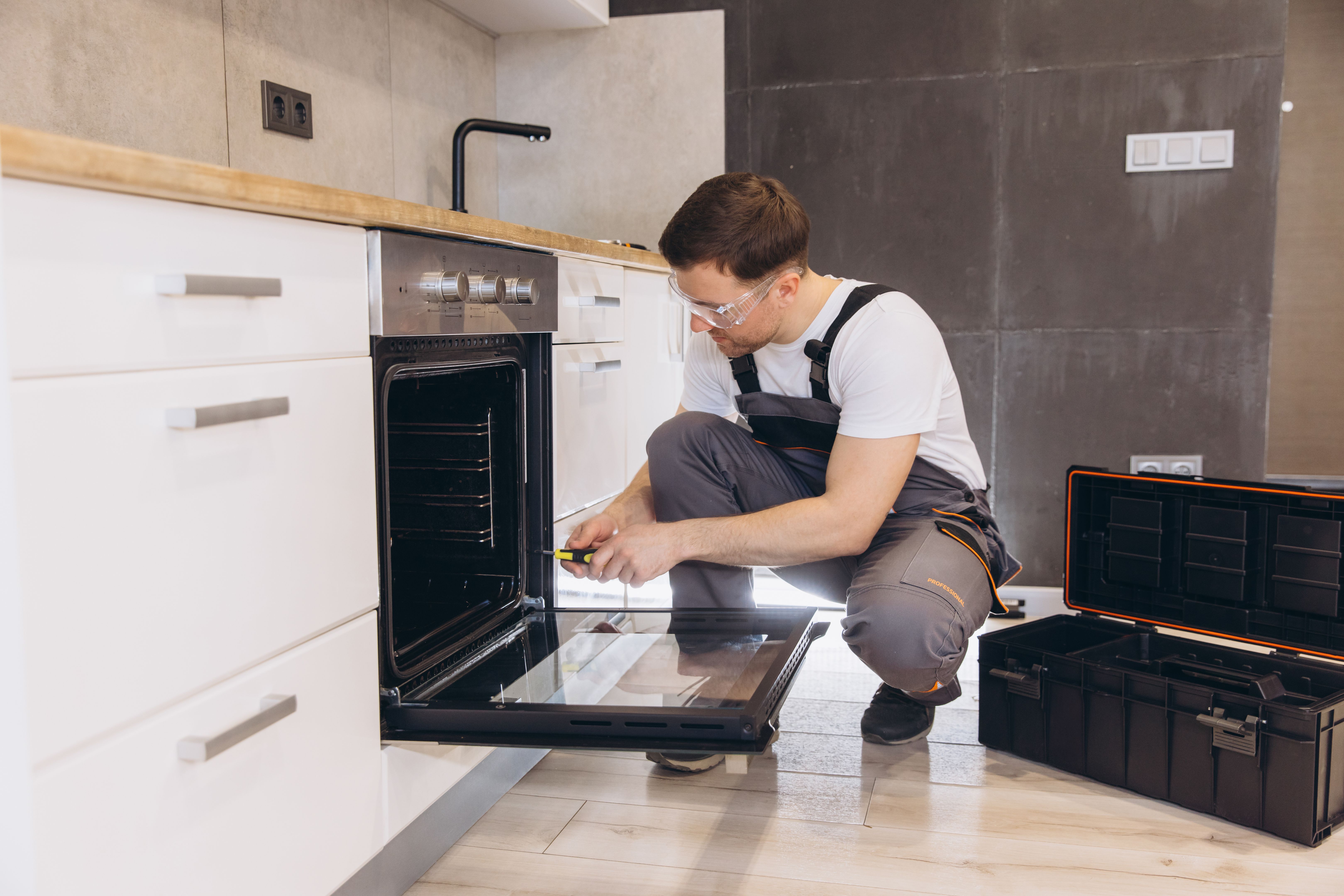
Having the right tools on hand can make the installation process smoother and more efficient. Common tools needed include:
- Adjustable wrench
- Screwdrivers (Phillips and flathead)
- Pliers
- Level
- Drill
In addition to these tools, ensure you have any specific items mentioned in the appliance manual.
Safety First
Safety should be your top priority. Before beginning, turn off the power or water supply, depending on the appliance. This step is crucial to avoid accidents and injuries.
Wear appropriate safety gear, such as gloves and goggles, to protect yourself during the installation. If at any point you feel unsure, it's best to consult a professional.
Understanding Connections
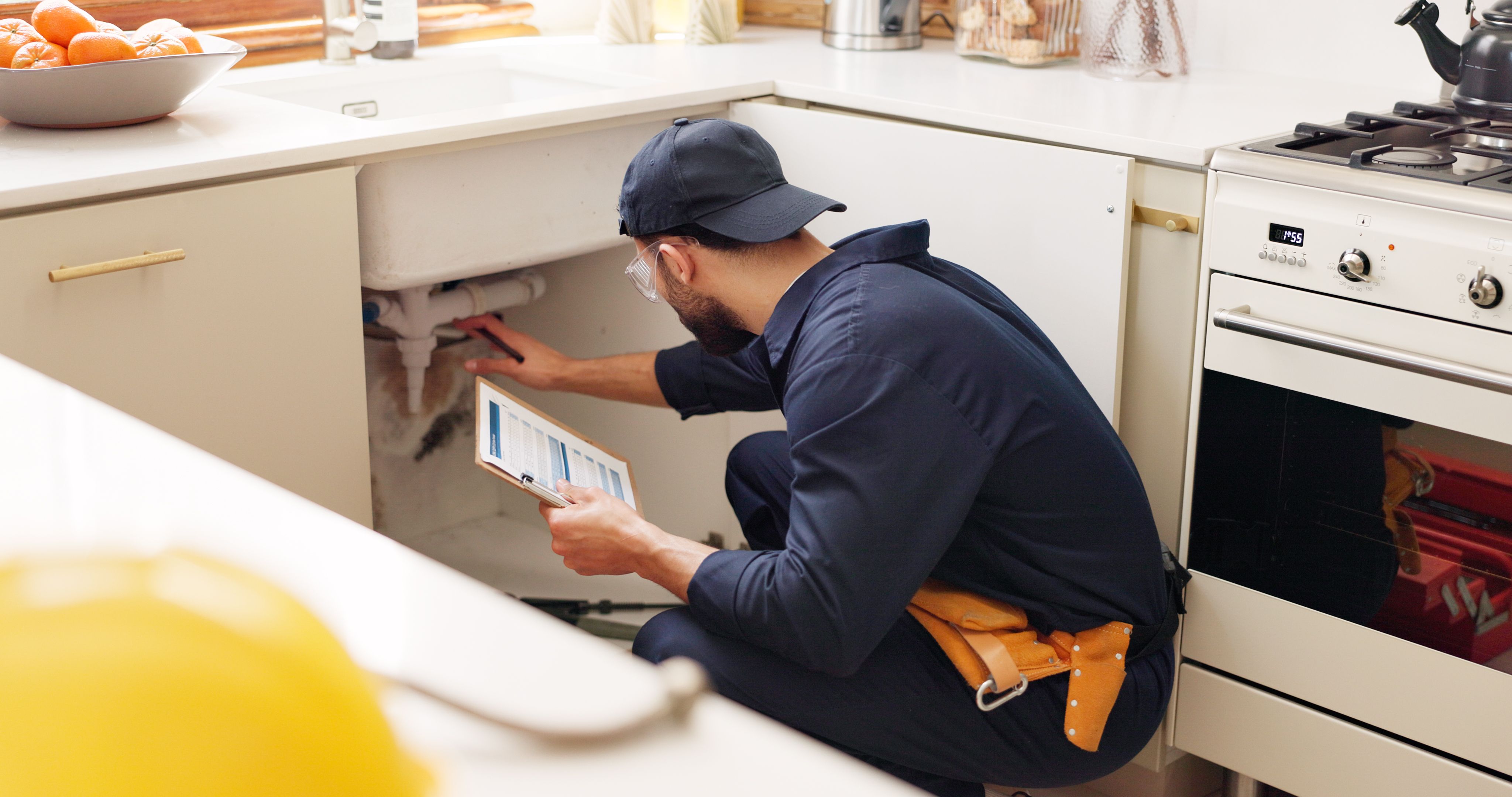
For many appliances, understanding how to correctly connect water, electrical, or gas lines is essential. Mistakes here can lead to leaks, malfunctions, or safety hazards. Follow the instructions carefully and double-check each connection.
If you're dealing with gas lines, it’s often recommended to hire a professional to ensure safety and compliance with local regulations.
Testing and Final Adjustments
Once your appliance is installed, it's time to test it. Turn on the power or water supply and run a test cycle to ensure everything is working correctly. Listen for unusual noises and check for leaks or other issues.
Make any necessary adjustments to ensure optimal performance. This might include leveling the appliance or adjusting the settings as per the manual’s recommendations.
When to Call a Professional
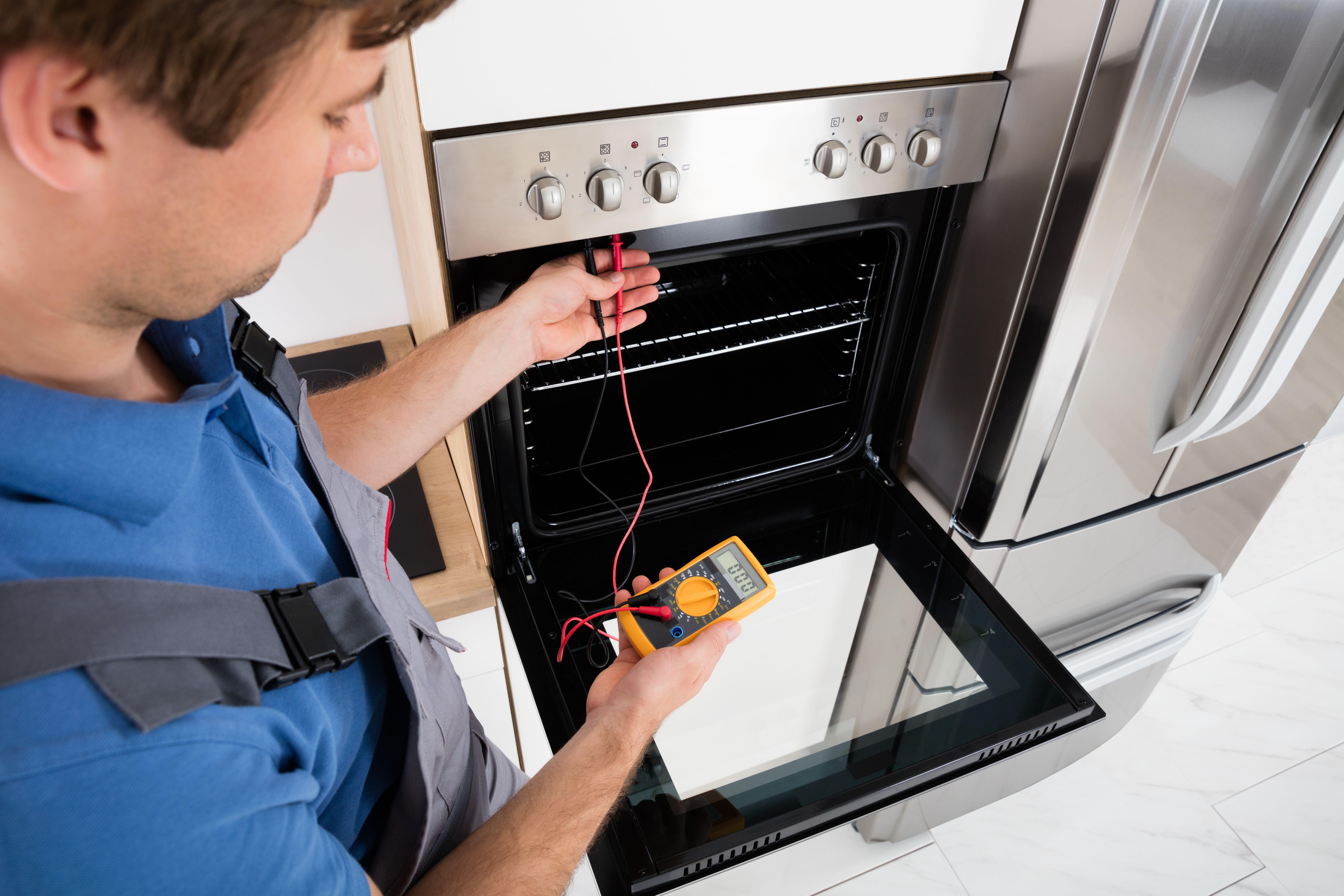
While many installations can be done DIY, some situations might require professional help. If the installation involves complex wiring, gas connections, or structural changes, it’s wise to call in an expert.
In the end, knowing your limits and when to seek help can prevent costly mistakes and ensure your appliance functions safely and efficiently.