Expert Insights: Maintaining Your Home in Maine’s Coastal Climate


Understanding Maine's Coastal Climate
Maine's coastal climate presents unique challenges for homeowners. With its salty air, high humidity, and fluctuating temperatures, maintaining a home in this area requires specific strategies. Understanding these environmental factors is the first step in protecting your property.
The salty air, while refreshing for residents, can accelerate the corrosion of metal surfaces and fixtures. Additionally, the high humidity levels can lead to mold growth and wood rot, compromising your home's integrity. It's crucial to be proactive in addressing these issues to maintain your home’s value and safety.
Protecting Your Home’s Exterior
Choosing the Right Materials
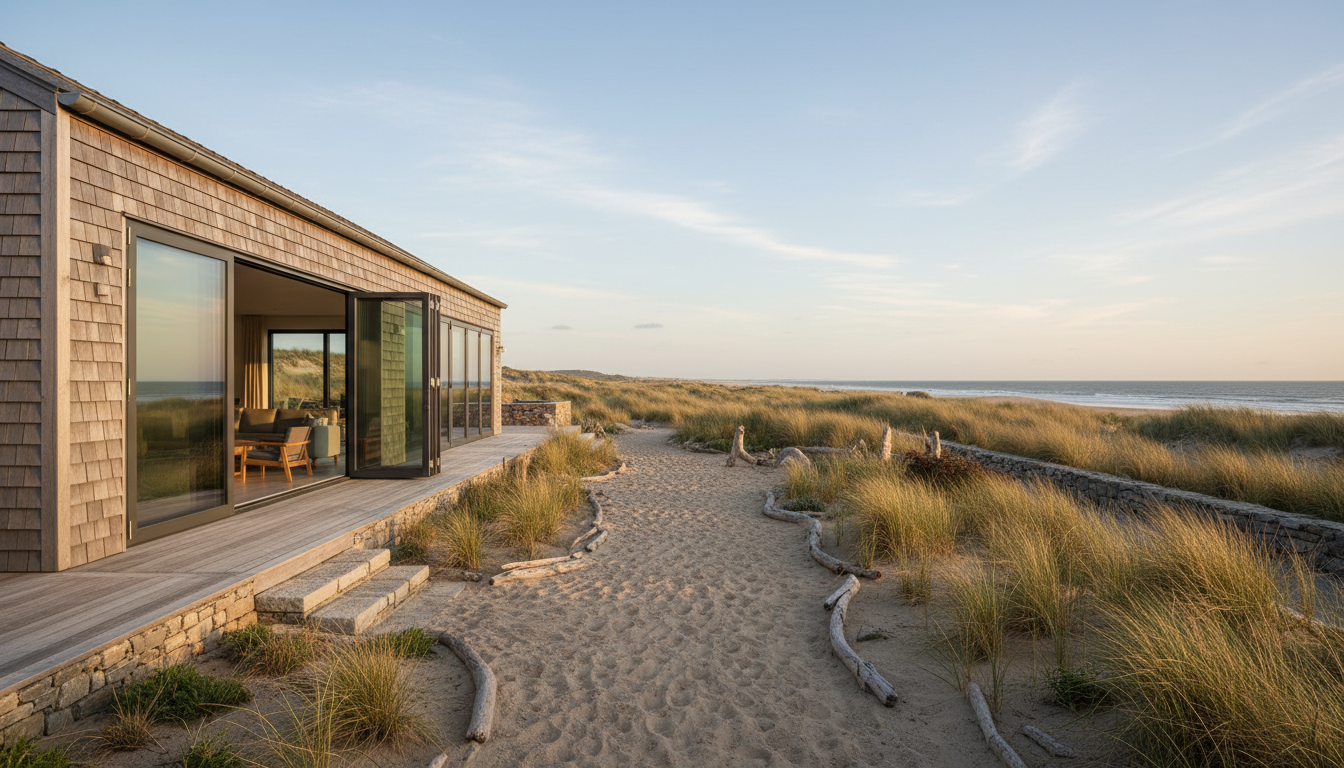
When it comes to the exterior of your home, selecting the right materials is essential. Opt for weather-resistant options such as fiber cement siding, which withstands harsh coastal conditions. Regular maintenance of these materials will also extend their lifespan and preserve their appearance.
Regular Cleaning and Maintenance
Consistent cleaning is vital to combat the effects of salt and moisture. Washing your home's exterior with fresh water will help remove salt deposits. It’s also important to inspect and clean gutters regularly to prevent water damage. Investing in high-quality sealants for windows and doors will further protect against moisture infiltration.

Managing Indoor Humidity
Controlling indoor humidity is crucial in coastal climates to prevent mold and mildew. Use dehumidifiers, especially in basements and attics, to maintain optimal humidity levels. Regularly check and clean air conditioning units to ensure they are functioning efficiently.
Ventilation plays a significant role in managing indoor air quality. Ensure that your home has proper ventilation, especially in kitchens and bathrooms where moisture tends to accumulate. Consider installing exhaust fans to help reduce humidity levels.

Preserving Your Home’s Interior
Flooring and Furnishings
Choose flooring materials that can withstand humidity, such as tile or engineered hardwood. These materials are less likely to warp or swell compared to traditional wood flooring. For furnishings, opt for mildew-resistant fabrics and regularly clean upholstery to prevent mold growth.
Pest Prevention
Maine's coastal climate can also attract pests seeking shelter. Regularly inspect your home for signs of infestation and consider using natural repellents or professional pest control services. Sealing cracks and gaps in your home’s exterior can help prevent pests from entering.

Conclusion: Staying Proactive
Maintaining a home in Maine’s coastal climate requires vigilance and proactive care. By understanding the environmental challenges and implementing these expert strategies, you can protect your home and enjoy the beauty of coastal living. Regular upkeep and timely interventions are key to preserving your property’s value and ensuring a comfortable living environment.