How to Prepare Your Home for Winter: Plumbing Tips for Saco Residents

Inspect Your Plumbing System
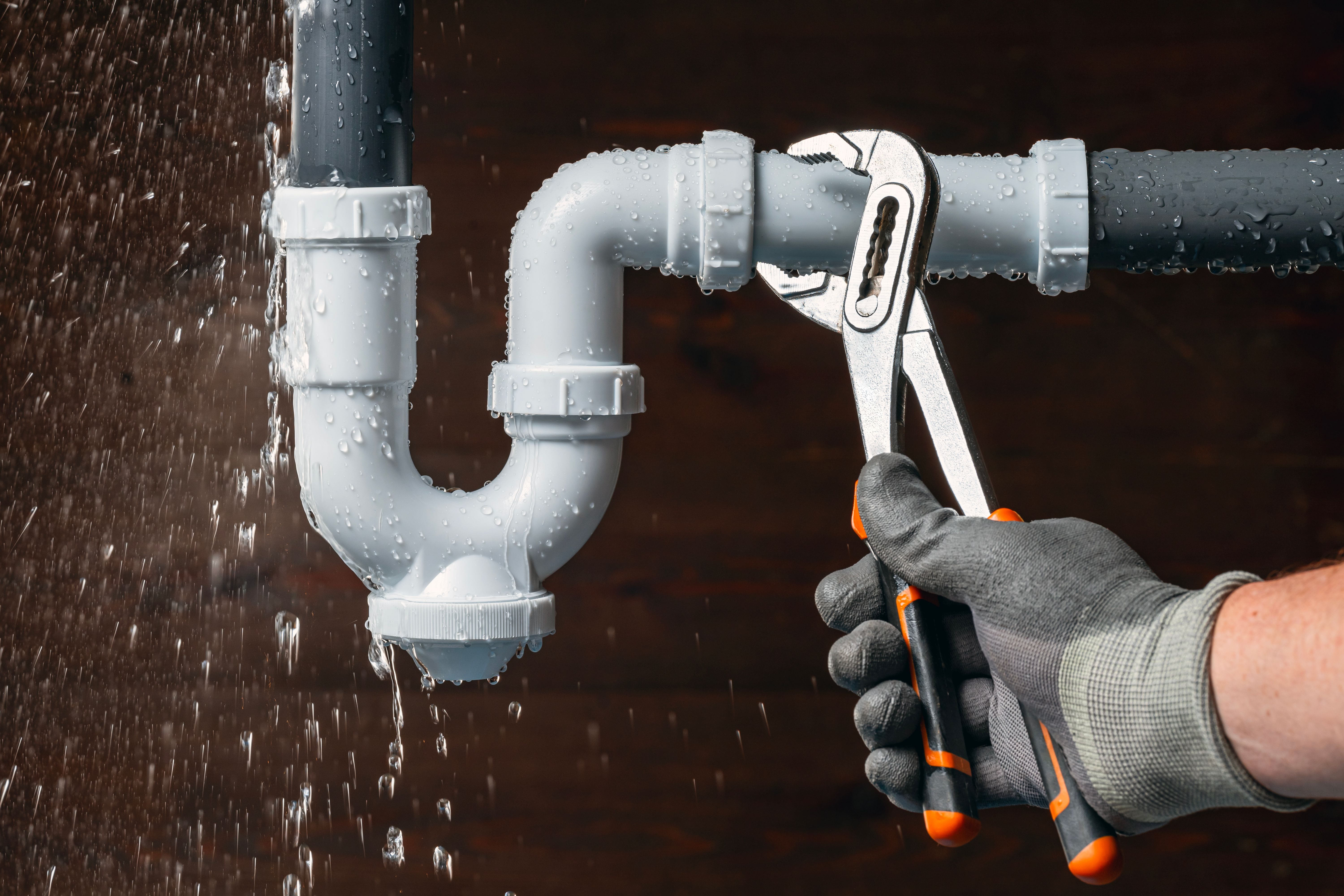
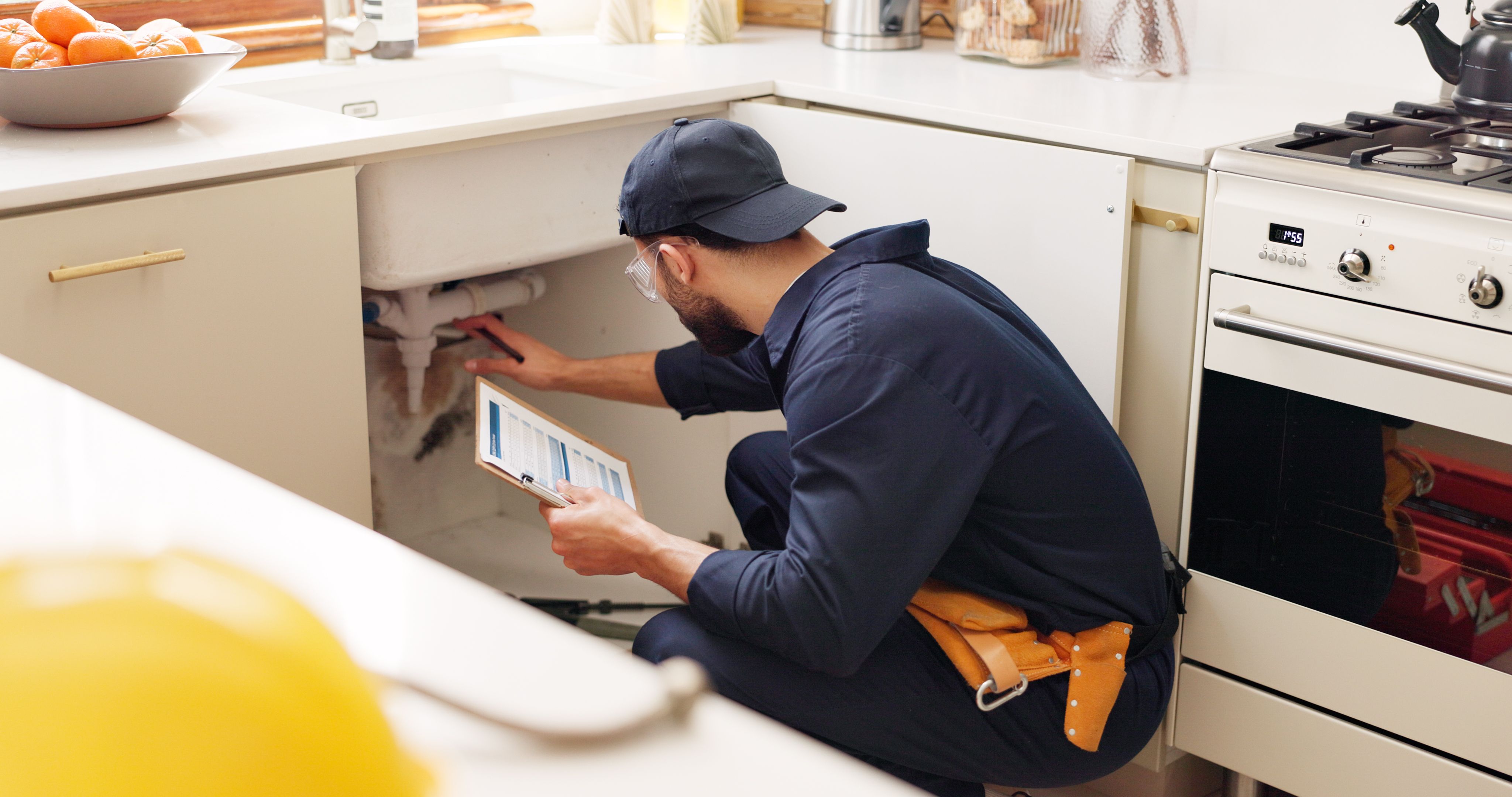
As the cold months approach, ensuring your home's plumbing is in top shape is essential. Start by inspecting all visible pipes for signs of wear or damage. Look out for cracks, leaks, or any corrosion that could worsen in freezing temperatures. These issues can lead to significant problems if not addressed before the cold sets in.
Check the water pressure in your home as well. Low water pressure might indicate a leak or a clog in the system. Fixing these issues early can prevent further complications during the winter months.
Insulate Your Pipes
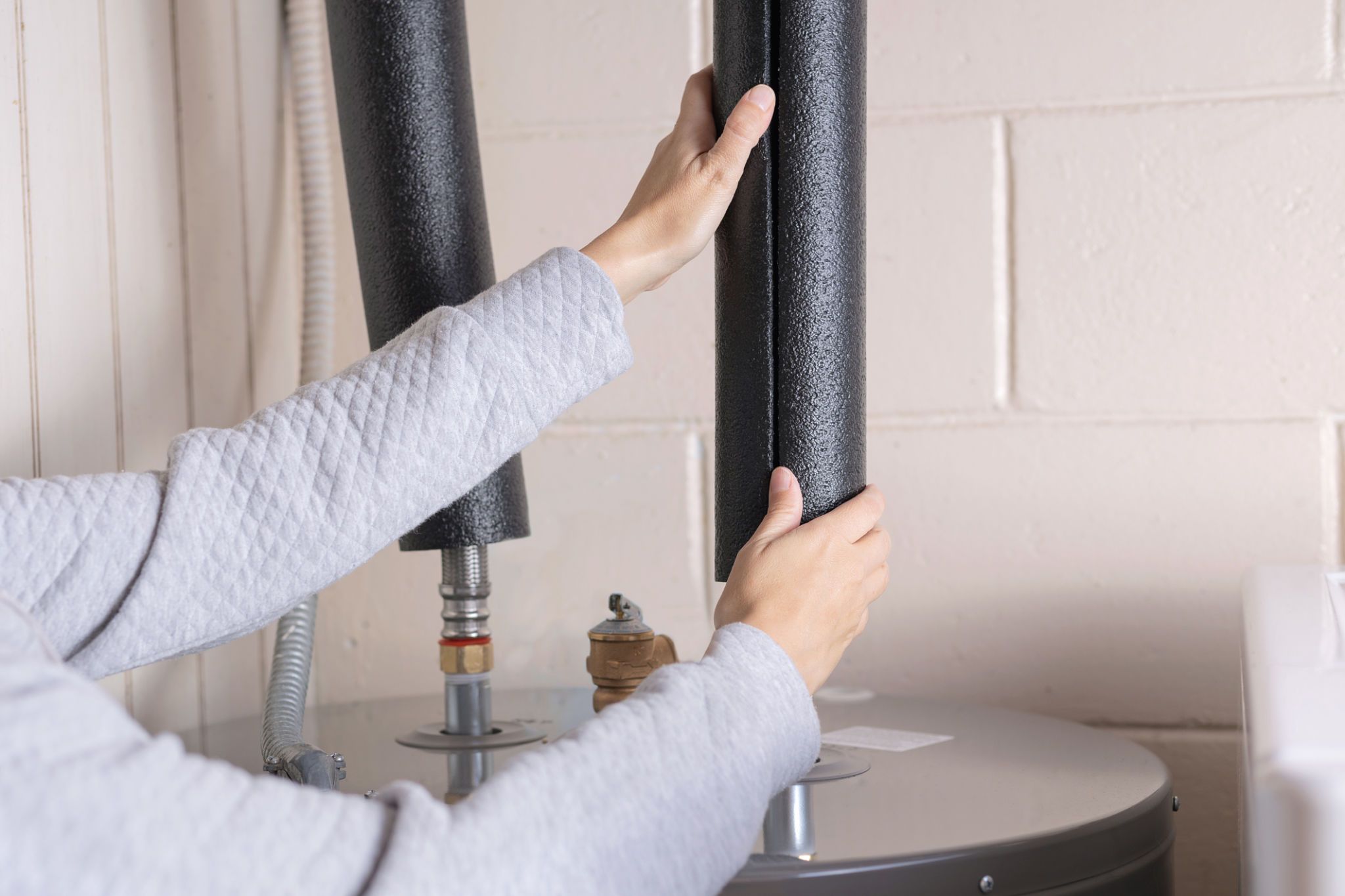
One of the most effective ways to prevent pipes from freezing is to insulate them. Focus on pipes located in unheated areas such as basements, attics, and garages. Use foam pipe insulation or heat tape to wrap your pipes, providing an extra layer of protection against the cold.
Don't forget to insulate any outdoor pipes or faucets. Disconnect and store garden hoses, and install insulated faucet covers to shield them from freezing temperatures. This step can save you from unexpected plumbing emergencies.
Maintain Your Water Heater
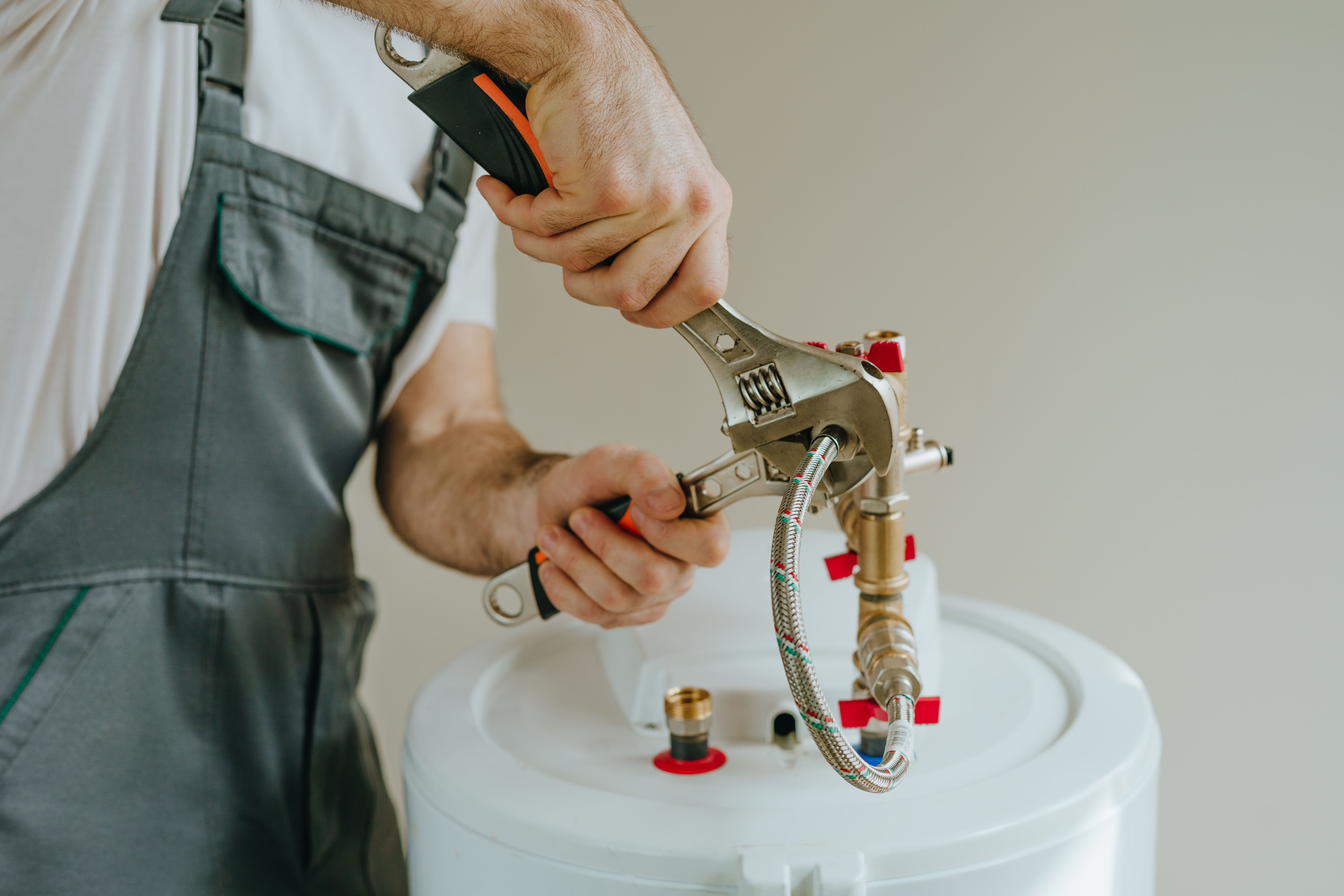
Your water heater works harder during the winter, so it’s crucial to ensure it's functioning efficiently. Begin by flushing the water heater to remove any sediment build-up that can affect performance. This simple maintenance step can also extend the lifespan of your heater.
Check the thermostat settings on your water heater. For optimal efficiency and safety, it should be set to around 120 degrees Fahrenheit. This temperature is sufficient for most household needs while preventing scalding and reducing energy consumption.
Seal Gaps and Leaks
Cold air entering your home can cause pipes to freeze. Inspect your home for any gaps or leaks, particularly around windows, doors, and where pipes enter the house. Use caulk or weatherstripping to seal these areas, keeping cold air out and warm air in.
Pay special attention to areas where pipes run through exterior walls. Ensuring these spaces are well-sealed can prevent freezing and bursting pipes, saving you from costly repairs.
Prepare for Emergencies
Even with the best preparations, emergencies can happen. Have a plan in place for dealing with frozen pipes. Know the location of your main water shut-off valve and ensure it's easily accessible. This knowledge can prevent extensive damage in the event of a burst pipe.
Keep contact information for local plumbers handy. Quick access to a trusted professional can make all the difference in an emergency, ensuring your home stays safe and warm throughout the winter.